Skyline Deck Builders Austin: Trusted Deck Construction Experts for Outdoor Entertainment Spaces
Family-Friendly Deck Ideas: Fun and Secure Areas for Children
Creating a child-safe deck necessitates careful consideration of both security and fun for children. The ideal materials and design elements can foster a protected setting while still fostering imaginative play. Thoughtful design elements provide assurance that parents can rest comfortably, knowing their kids are safe. Exploring various ideas can produce a vibrant space that accommodates all family members. Which thoughtful designs can turn an standard deck into an impressive outdoor haven?
Picking Safe Materials for a Family-Friendly Deck
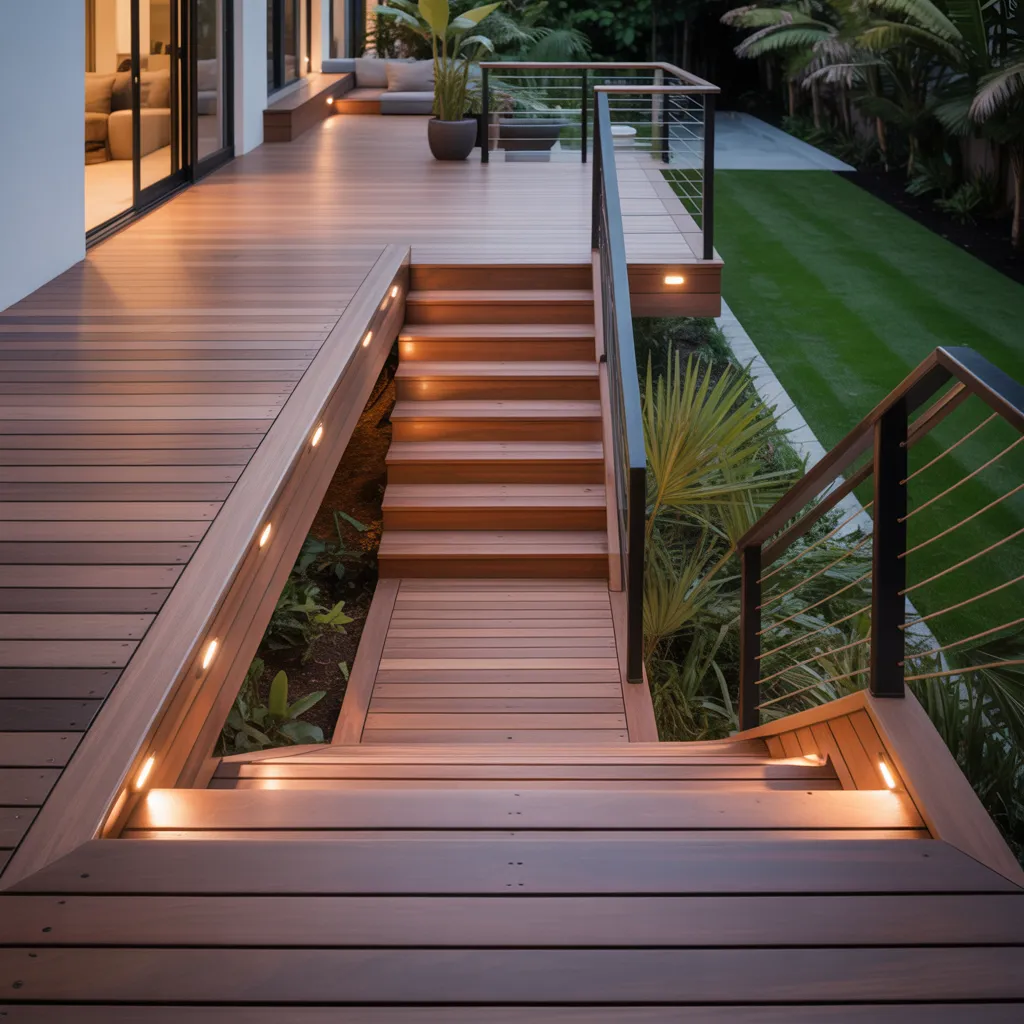
When building a kid-friendly deck, choosing safe materials is essential. Parents prioritize the well-being of their little ones, making it essential to select materials that limit potential dangers. For decking, composite materials often stand out for their toughness and ability to resist splintering, which can reduce the risk of injuries. Additionally, opting for wood infused with non-toxic treatments confirms that dangerous chemicals are kept out of the environment.
Railings should be strong while being designed to keep young hands from getting stuck or scaling them. Smooth textures are necessary to reduce the risk of cuts or abrasions, and rounded edges can enhance safety. Moreover, selecting slip-resistant finishes is critical, especially in areas prone to moisture.
In the end, mindful material selections help create a reliable outdoor environment where families can spend meaningful time, encouraging both fun and safety as guiding values of the outdoor deck.
Innovative Design Concepts to Ignite Children's Imagination
Developing a child-friendly deck encompasses not only security but also encouraging kids' creativity. To make this happen, parents can include vibrant colors and imaginative designs that excite young minds. For example, placing a chalk panel encourages imaginative play, letting kids to sketch and write without limits.
Including thematic sections can also spark view now active play; a nautical-themed corner, equipped with steering wheels and climbing ropes, can carry children into exciting adventures. Cushioned, textured flooring, for example interlocking foam tiles, introduces a sensory element that promotes exploration.
Moreover, including nature-inspired features, such as a small garden or sensory planters, can encourage a sense of wonder about nature. A charming storytelling alcove, complete with cozy seating and imaginative decor, invites children to get lost in their most-loved narratives. When these inventive design ideas are combined, a patio deck can become an enchanting space that nurtures children's creativity while maintaining a safe environment.
Fun Outdoor Activities for Children
Although a beautifully crafted deck serves as a great foundation, fun outdoor activities are key to keeping children energized and engaged. Introducing activities such as cornhole and oversized Jenga helps encourage healthy rivalry, building cooperation and physical dexterity. Such games not only support physical development but also strengthen social abilities as kids engage and plan together.
One other well-liked choice is a simple scavenger hunt, which is easily customized to different age groups. This game stimulates curiosity and exploration, allowing kids to discover their surroundings while having fun. Furthermore, classic games such as hopscotch or twister are simple to arrange on a deck, providing hours of entertainment.
Adding a little area for chalk drawings can also inspire artistic expression, allowing kids to express themselves artistically. Ultimately, a range of engaging games guarantees that the outdoor space remains dynamic and inviting, making it a go-to place for children.
Crafting Welcoming Family Zones on Your Deck
Building comfortable family environments on a deck demands thoughtful design and preparation. Comfortable seating configurations, child-safe flooring choices, and dedicated shade zones can turn an outdoor area into an inviting haven for the whole family. By combining these components, families can experience valuable time together while prioritizing comfort and security.
Inviting Seating Configurations
A carefully planned deck can transform into a family's cherished meeting place, especially when comfortable seating setups encourage rest and togetherness. Including a mix of practical seating varieties, such as padded benches, large chairs, and hammocks, assures everyone has a place to relax. Soft, weather-resistant fabrics in vibrant colors can enhance the inviting atmosphere, while throw pillows contribute an element of coziness and elegance. Arranging seating in a circular layout fosters conversation, making it simpler for families to connect while enjoying outdoor time. Additionally, incorporating a shaded area with an umbrella or pergola can protect against the elements, guaranteeing that the space remains enjoyable year-round. Purposeful seating layouts turn a deck into a treasured family escape, designed for building timeless experiences.
Child-Safe Flooring Choices
Having arranged inviting seating areas, focus shifts to the importance of identifying child-safe flooring options for a residential deck. Both safety and comfort are critical when young ones are enjoying outdoor activities. Resilient materials like rubber tiles or composite decking create a padded area to reduce the force of falls, lowering the chance of harm. Additionally, these choices provide anti-slip properties, ensuring stability during play. For parents prioritizing environmentally conscious materials, reclaimed wood or bamboo can be both stylish and sustainable. Adequate drainage is equally important; surfaces that allow water to flow through can prevent slippery conditions. Ultimately, picking the appropriate flooring boosts safety and establishes a warm setting for family bonding and outdoor activities.
Comfort and Shade Areas
How can families enjoy their outdoor space while staying protected from the sun? Creating shade and comfort zones on a deck is essential for maximizing outdoor enjoyment. Families have the option of adding pergolas, shade sails, or large patio umbrellas to guard against strong sunlight. Such installations not only create a comfortable haven from the heat but also improve the overall look of the deck. Additionally, using outdoor rugs and cushioned furniture can create inviting lounging areas where parents can supervise children while they play. Incorporating plants, such as potted trees or climbing vines, can further enhance the shaded environment. By thoughtfully designing these comfort zones, families can enjoy their deck year-round, creating a safe, fun, and relaxing space for all ages.
Critical Safety Features for Your Deck
When planning a family-friendly deck, protective features are a priority. Solid railings and gates offer essential security, while anti-slip surface materials assist in preventing injuries. Together, these elements create a secure environment for family gatherings and outdoor activities.
Robust Railings And Gates
Robust railings and gates are vital security components for any family-friendly deck, guaranteeing that pets and children can use outdoor spaces without danger. These components create a secure barrier that stops accidental falls and keeps little ones contained within a protected area. These railings should be at least 36 inches high, made from sturdy materials, and built with narrowly spaced balusters to minimize potential climbing dangers. These gates should be self-latching and self-closing to prevent unauthorized access, providing parents with peace of mind. Moreover, incorporating safety locks can strengthen protection, most importantly in homes with small children. By focusing on robust railings and gates, parents can build a secure environment that encourages outdoor play and exploration while reducing potential hazards.
Slip-Free Surface Materials
Creating a safe outdoor environment for families extends beyond secure railings and gates to include non-slip surface materials. These materials are essential for avoiding slips and tumbles, especially in wet conditions. Solutions like textured composite decking, rubber pavers, and treated wood provide both safety and aesthetic appeal. Grooved surfaces boost traction, minimizing the likelihood of mishaps at play. Additionally, incorporating non-slip coatings on existing surfaces can enhance safety without the need for a complete overhaul. Parents should further evaluate drainage solutions to minimize standing water, continually boosting security. By prioritizing non-slip materials, homeowners can develop an appealing outdoor setting that enables kids to enjoy unrestricted play while protecting their overall safety.
How to Maintain Your Kid-Friendly Deck
Keeping a child-safe deck necessitates routine care to ensure safety and longevity. Regular checkups should be carried out to detect any loose boards or protruding nails that could present safety risks. Washing the deck surface with a gentle soap solution works to clear dirt, mold, and mildew, creating a protected play space. Furthermore, it's crucial to renew protective coatings periodically to protect against water intrusion and maintain the deck's integrity.
Homeowners with children should also check railings and barriers to confirm they are secure and high enough to avoid accidents. Consistently pruning surrounding trees and bushes can reduce debris accumulation and enhance sunlight exposure, which assists in drying out the deck following rain. Furthermore, properly storing outdoor toys and gear can avoid disorder and keep the area tidy. By implementing these care routines, families can enjoy a safe and inviting deck for their children.
Budget-Friendly Solutions for a Family-Friendly Deck
Budget-friendly solutions can significantly elevate a family-friendly deck without straining your budget. Simple elements like outdoor rugs can designate spaces for play while offering safety and comfort. Utilizing upcycled items, such as crates or pallets, can produce creative seating and storage solutions for kids' belongings, keeping the space organized.
Integrating vertical gardens or potted plants brings greenery without the need for extensive landscaping. Budget-conscious, warm lighting, including outdoor string lights, is able to create a cozy, welcoming atmosphere for evening gatherings with family.
Additionally, picking cost-effective, weather-proof furnishings guarantees durability and ease of maintenance. A DIY sandbox crafted from low-cost timber can offer endless entertainment for children.

Answers to Your Most Common Questions
What Are the Top Plants for a Kid-Friendly Deck Zone?
Safe deck plants for kids feature snapdragons, lavender, and marigolds, as they are non-toxic and resilient. Furthermore, ferns and ornamental grasses deliver beauty while creating a secure space for kids to discover and appreciate.
What Are the Best Ways to Include Storage for Kids' Outdoor Toys?
Integrating storage options for kids' outdoor playthings can be achieved by using decorative storage benches, under-deck cabinets, or weather-resistant bins. These options help keep toys neatly arranged, enhance safety, and preserve a clean, welcoming outdoor area.
Are There Eco-Friendly Options for Deck Materials?
Sustainable alternatives for deck construction materials include bamboo, recycled wood, and composite materials made from reclaimed plastics. These options lower environmental impact while providing durability and aesthetic appeal, making them suitable for sustainable outdoor living spaces.
What Age Group Is a Deck Most Suitable for Children?
Decks are ideally designed for children aged 3 to 12 years, as this age group typically enjoys outdoor play and exploration. Design elements and safety features should accommodate their developmental needs and active play habits.
How Do I Child-Proof Railings on My Deck?
To child-proof deck railings, it is recommended to install vertical slats spaced no more than four inches apart, incorporate mesh or netting barriers, and ensure that the railing stands at a minimum of 36 inches to prevent accidental falls.